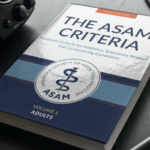
This module is an introductory module to the Fourth Edition of the ASAM Criteria. The module will acknowledge the patient’s journey through the continuum of care and provide an understanding of the partnership between providers and payers. Additionally, this module will review the updates to the ASAM Criteria. Presenter Dr. Tiffany Lee is a Professor […]
Webinar
Professionals and Community Members as Recovery Allies

Family members, friends, neighbors, professionals, and other community members play a critical role as allies in supporting recovery. Research shows that creating a meaningful life in recovery requires access to healthcare, safe and affordable housing, educational opportunities that may have been missed during periods of drug use, and employment that allows people in recovery to […]
How to use SBIRT with People Experiencing Homelessness Who Smoke Tobacco

While rates of smoking have declined overall in the United States, it remains highly prevalent among People Experiencing Homelessness (PEH). Coexisting factors like mental illness, addiction, and the life circumstances of PEH contribute to an attitude among health professionals that addressing tobacco use is not worthwhile with PEH. However, despite barriers to treatment, 40%-50% of […]
How the Americans with Disabilities Act Applies to Addiction and Recovery

There are thousands of people with addiction to alcohol and in recovery from opioids and other drugs unaware of their civil rights under the Americans with Disabilities Act (ADA). This webinar provides an overview on how the ADA applies to alcohol and substance use disorders using scenarios to illustrate the application of the ADA to […]
SUD Treatment for People with Cognitive Challenges – Part 2
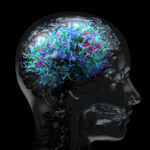
Part 2 of the session presented on 1/24/24 – Due to the opioid epidemic, the number of people with cognitive impairment (CI) caused by overdose is on the rise. Yet many clinicians feel under-prepared to effectively treat people with SUD and CI. This webinar will focus on techniques and strategies to improve the SUD treatment […]
Addressing Drug Use and Recovery Stigma in Healthcare
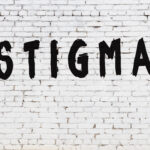
Addressing Drug Use and Recovery Stigma in Healthcare is a presentation by Elevyst to discuss perceptions of drug use, how we got here, and how our novel research demonstrates the need for changes in healthcare. We will discuss in-depth the results of our 2022 study of attitudes and perceptions of healthcare professionals toward people who […]
Catching Crisis How Affect Infusions Affect Us

Social referencing and emotional contagion are natural responses to the emotionally charged work we do with clients, especially in times of crisis. They are also phenomena that can negatively impact judgment and decision-making in the moment and eventually contribute to burnout and vicarious trauma. As providers, we’re taught mindful self-care techniques for before and after […]
SUD Treatment for People with Cognitive Challenges

Studies show that 30-80% of people in need of substance use disorder (SUD) treatment have some level of cognitive impairment (CI). CI is an umbrella term used to describe conditions including intellectual disabilities, traumatic brain injuries, serious mental illness resulting in loss of cognitive functioning, and more. Due to the opioid epidemic, the number of people with CI caused by overdose […]
Working with Justice-Involved Youth

Justice-involved youth have higher rates of emotional and behavioral problems than the general population, and many come from marginalized backgrounds and/or have faced challenges such as being involved in the child welfare system, facing stigma, and living in poverty. These youth have a high need for substance use and mental health services, though the complexities of their lives and clinical presentations, […]
Centre for Learning – A Free Resource for Staff Development in Mental Health and Addictions

The Centre for Learning (CFL) is an accessible learning platform designed for anyone who interacts with individuals facing mental and substance use health challenges. Not only does CFL allow professionals to assess their competencies, but is also provides customized learning plans for service providers at various levels of experience in mental and substance use health […]